Jungian alchemy is not about turning metals into gold, but about transforming the inner world of the psyche. Carl Jung saw alchemical symbols as metaphors for psychological growth, describing how we can turn our pain, confusion, and hidden parts into wisdom, clarity, and wholeness.
At the heart of Jungian alchemy is the process of individuation—the journey toward becoming a more complete and authentic self. This journey involves recognizing and integrating all aspects of the personality, including the unconscious and the “shadow,” or the parts of ourselves we often ignore or reject.
Key symbols in Jungian alchemy include the “prima materia” (the raw, chaotic starting point), the “purified matter” (the enlightened soul), and the “philosopher’s stone” (the symbol of the fully realized Self). These represent different stages of inner transformation, from confronting darkness and confusion to achieving balance and self-awareness.
Jung believed that this inner alchemy helps us understand ourselves more deeply and live more meaningful lives. By working through our inner conflicts and integrating our different sides, we become more whole and better able to connect with the world and others.
In summary, Jungian alchemy is a powerful metaphor for the ongoing process of psychological growth and self-discovery. It invites us to see our struggles as opportunities for transformation and to embrace every part of ourselves on the path to wholeness.
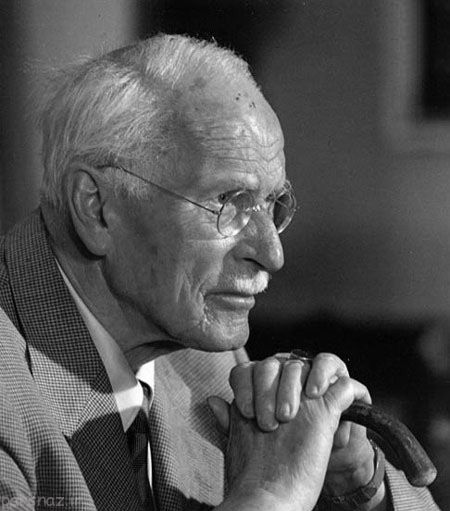
- Imagine someone who feels intense anger and jealousy but suppresses these emotions (the “prima materia” or raw, chaotic material—the inner turmoil). In Jungian alchemy, this person confronts and explores these feelings (the purification stage), accepting them as part of their “shadow.” Eventually, this anger transforms into creative energy and healthy assertiveness (the philosopher’s stone—the fully realized Self), and the person lives with greater calm and balance.
- Another example: Depression is like “nigredo” (blackening) in alchemy—a symbolic darkness or ego death. Jung believed that by exploring the unconscious (dreams, mental images), a person passes through this darkness and reaches “albedo” (whitening), where deeper self-awareness emerges and life gains meaning.
Practical Application
• Working with the Shadow: Every time you avoid your unpleasant traits, you miss a chance for transformation.
• Individuation: Like baking bread—raw ingredients (life experiences) are transformed by the heat of the unconscious into something nourishing (the authentic self).